Sail-CV
What you already read on the water—tell-tales and sail shape—Sail-CV turns into structured data you can log, replay, and build on.
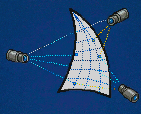
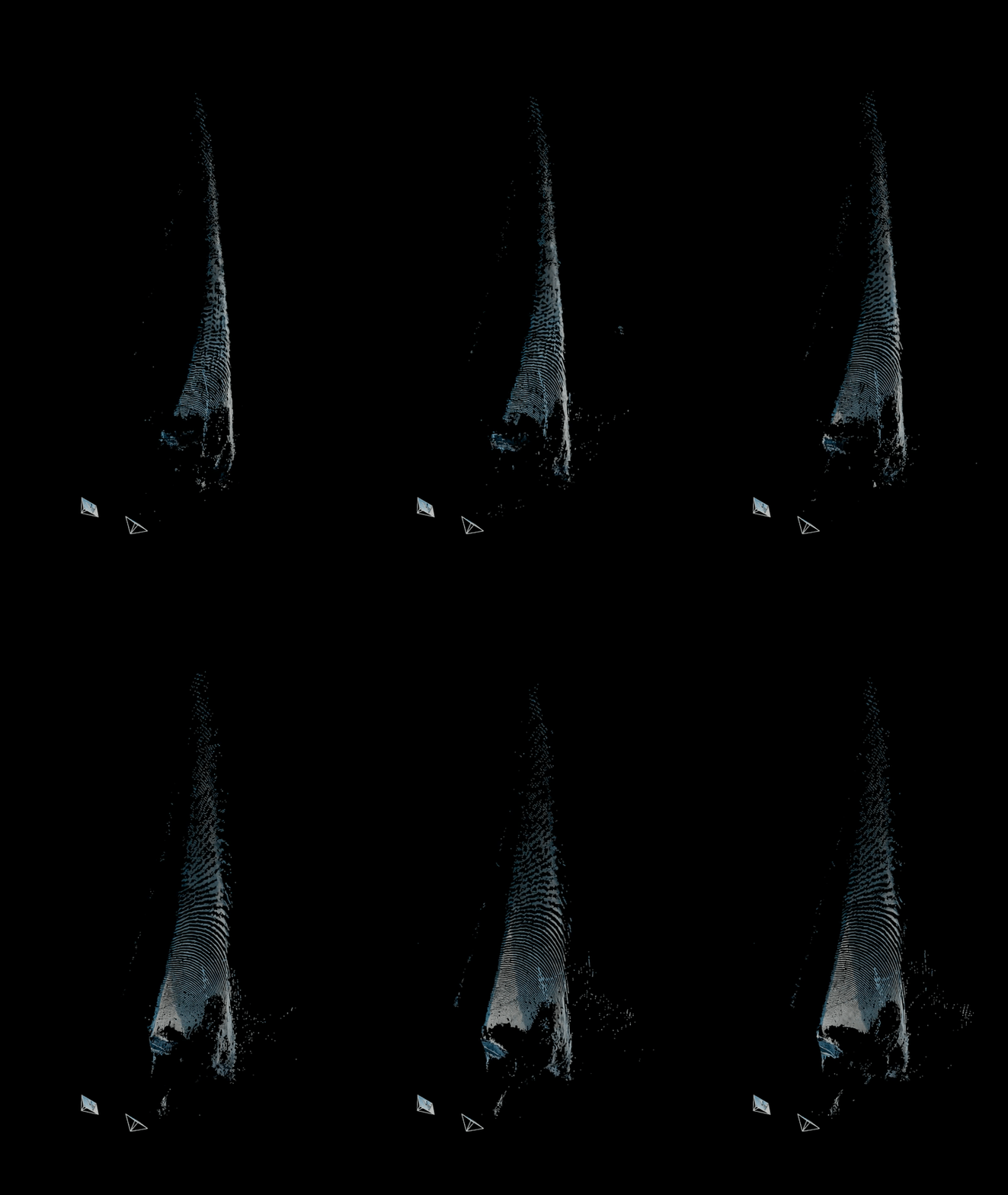
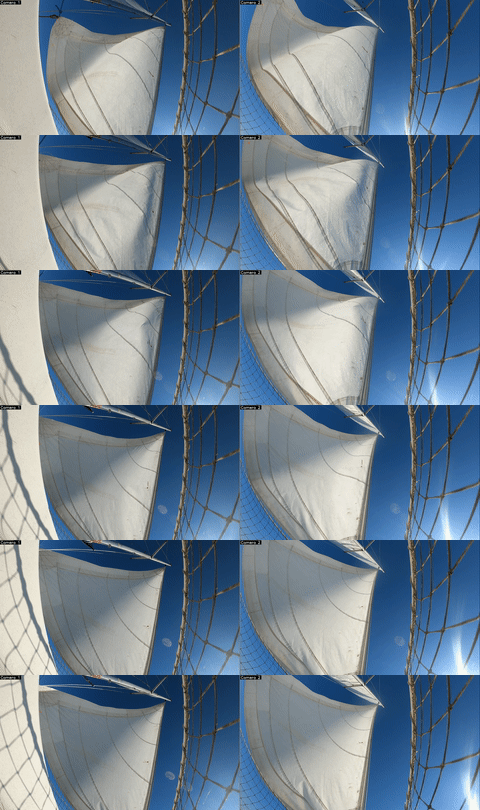
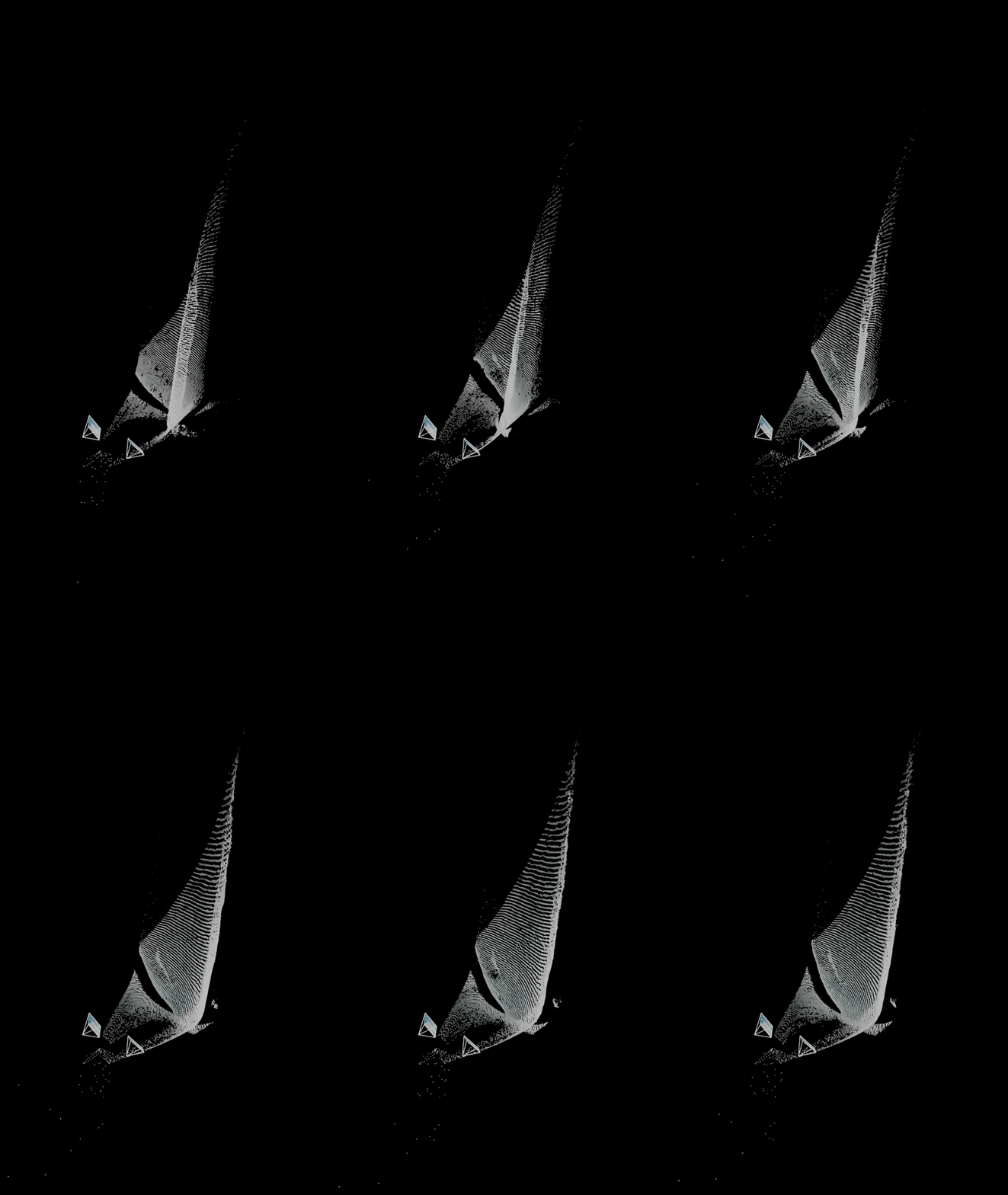
3D side: calibrated stereo + a foundation 3D model (MASt3R lineage) give a metric point cloud without painting the sail, sticking markers, or otherwise prepping the surface. The geometry is robust to ordinary sail texture because correspondence comes from learned dense matching, not hand-tuned features. The conference manuscript demonstrates sub-centimetre-scale agreement with ground-truth geometry on controlled validation scenes (cylinders, measured radii)—with the full numbers and limits spelled out there.
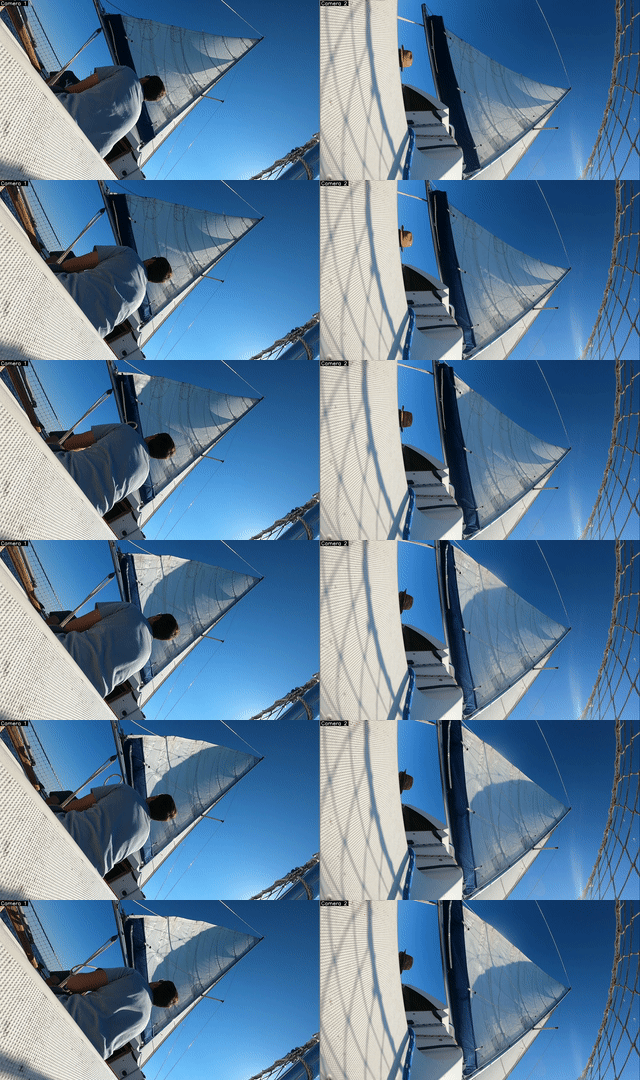
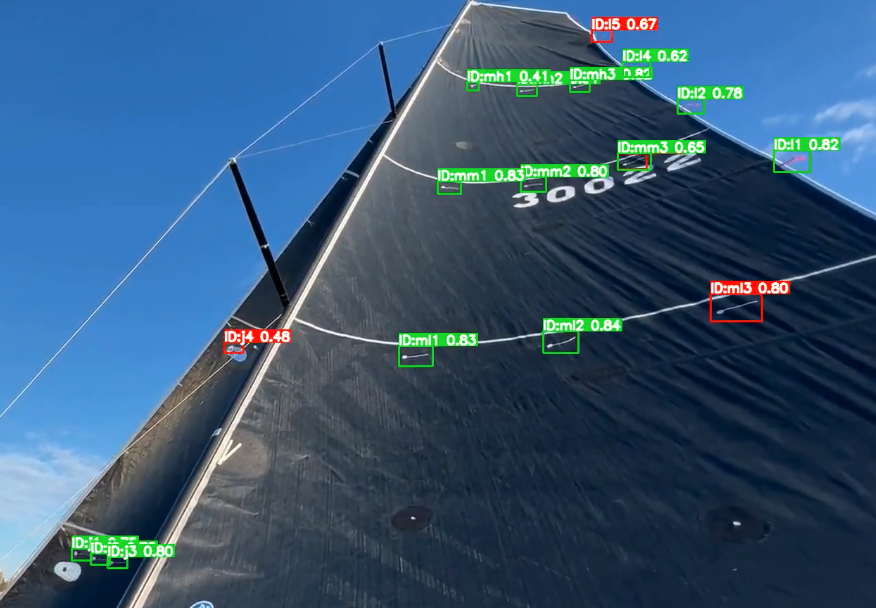
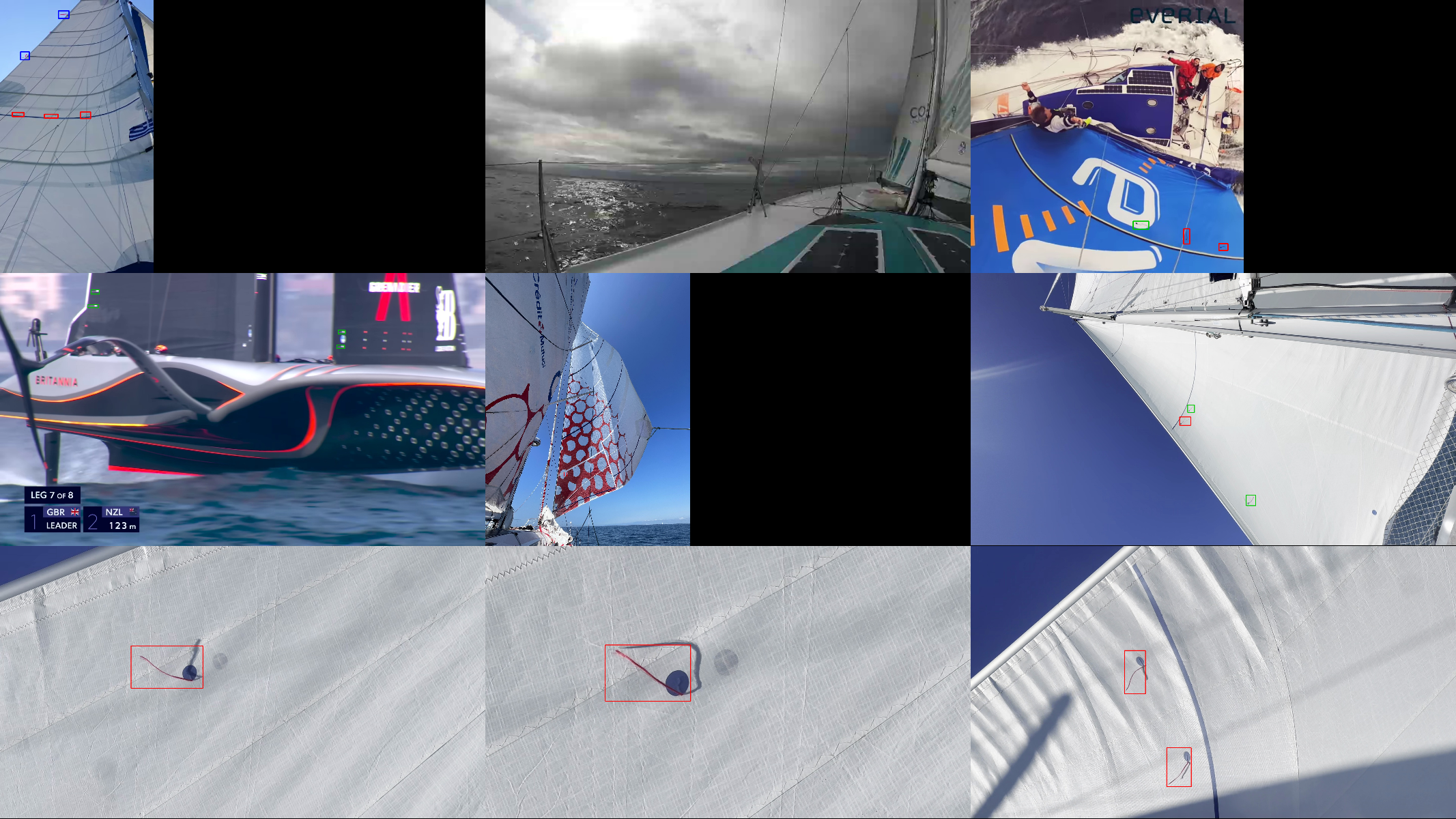
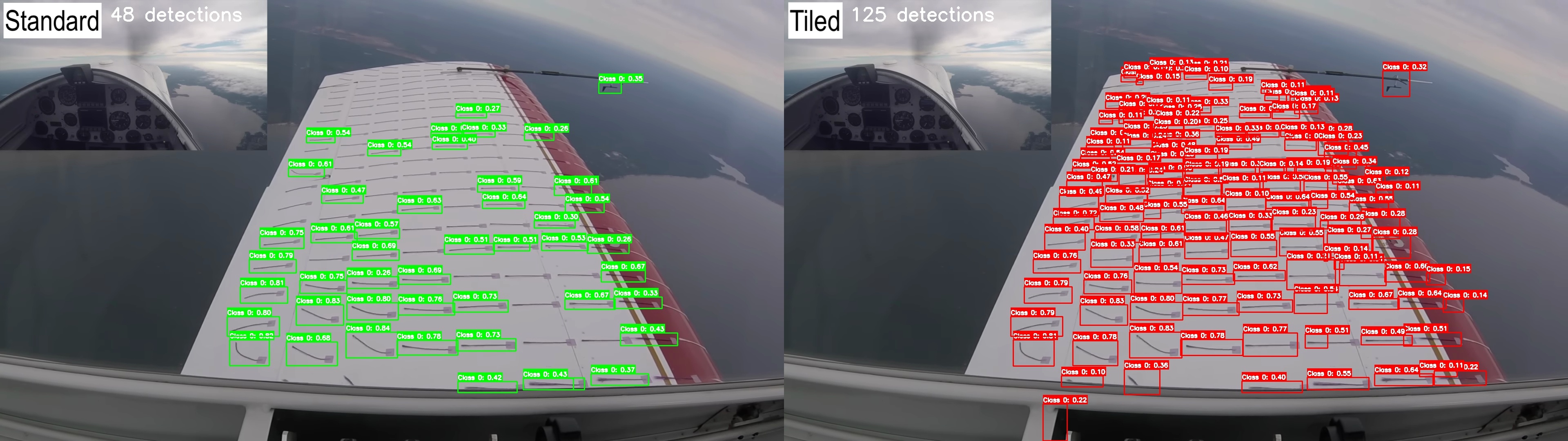
Tell-tale side: this is the complement—a generalist detector trained to spot tell-tales across materials and lighting, meant as a reusable base for teams and researchers: publish dataset + checkpoints on Hugging Face, fine-tune on your own footage, plug into the tracker. Same stack, same hardware mindset as the 3D module.
Get the project
- Code — Sail-CV on GitHub
- Models & data — weights · dataset (Hugging Face)
- Read the conference manuscript (PDF) — presented at Innovsail 2026

 Models & data —
3D preview
Tell-tale analysis preview
Dataset and tracker
Other industries
The same ideas travel beyond sailing—aviation, automotive, anywhere you need small visual features tracked in video.
Why Sail-CV
In 2025 I was a performance and data engineer for Team France (America's Cup). Sail shape was often measured with expensive LiDAR. I wanted something more accessible—and the same cameras to read tell-tale states. Sail-CV is that bet: open, modular, and meant to improve in public.
Publication
Sail-CV presented its ideas at Innovsail 2026, sharing its approach to sail-shape reconstruction and tell-tale analysis using computer vision.
The final conference manuscript is available to read: Sail-CV — Innovsail 2026 manuscript (PDF).
About the author